
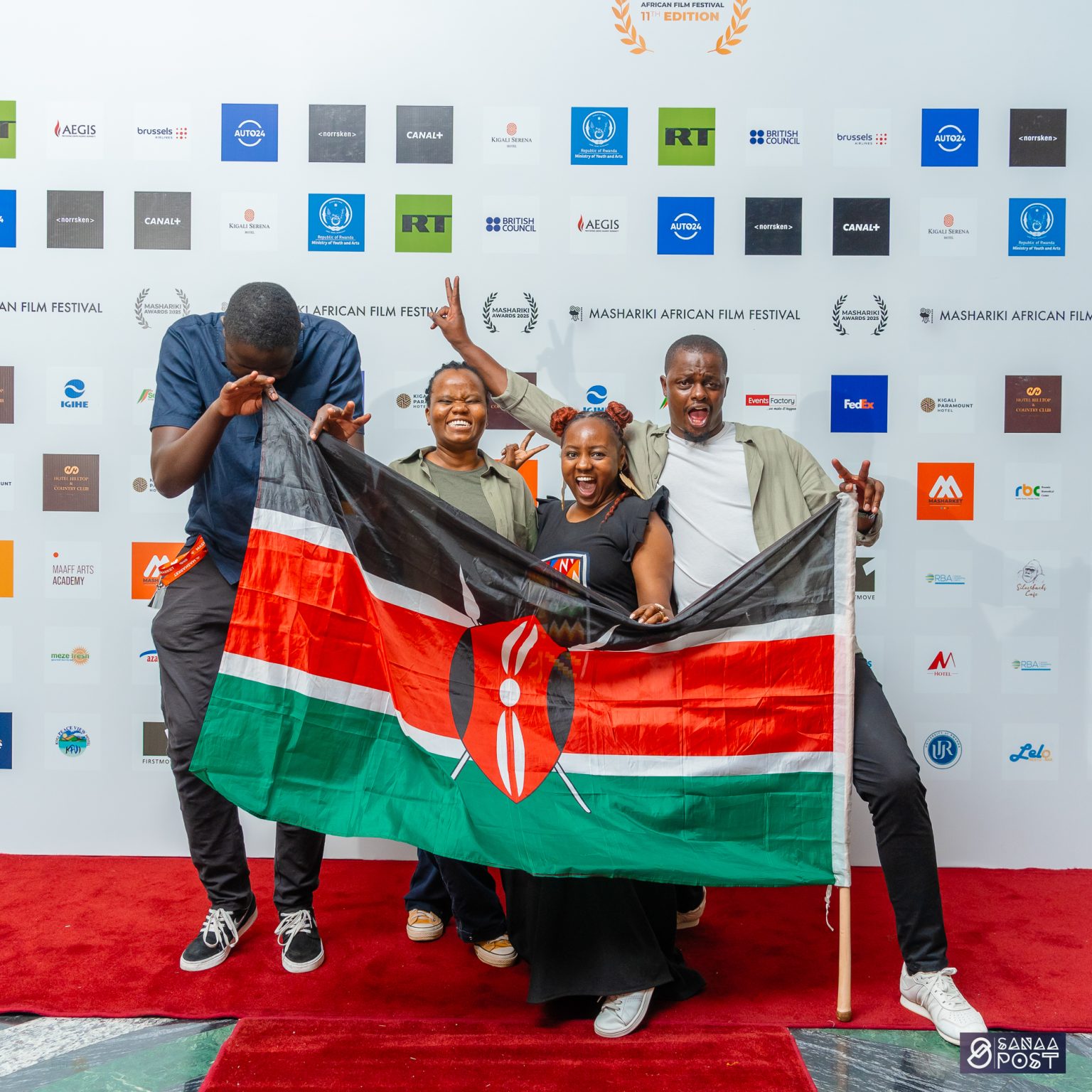

Kigali’s Serena Hotel became the epicenter of African storytelling last month as the Mashariki Festival wrapped its 11th edition. Running from November 20-22, with the official opening ceremony on November 22nd at 6 PM, the festival brought together filmmakers, industry professionals, and cinema enthusiasts for three days of screenings, workshops, and meaningful conversations about the continent’s creative future.
Festival CEO Tresor Senga curated an impressive selection of African films this year. The opening night featured DIYA, a FESPACO award-winning film by Chadian director Achille Roinamou. Other notable premieres included the South African documentary DR. MBONGENI NGEMA: THIS IS MY STORY by Lindani Siyanda Mbens, and THE MBAKO TRIAL: MYTH AND REALITY from Belgian-Congolese filmmaker Jean–Michel Kibushi Ndjate Wooto.
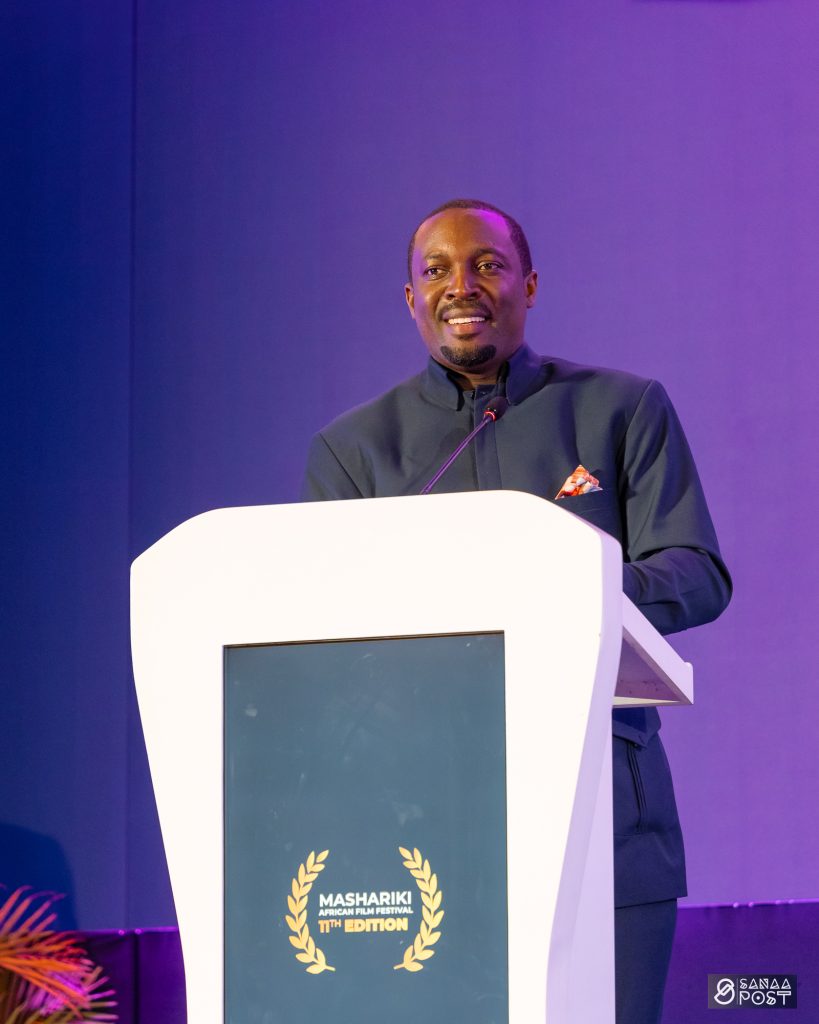
The festival’s partnership with Canal+ marked a significant moment for African cinema. Fresh off their merger with Multichoice, Canal+’s sponsorship signals growing institutional support for the continent’s film industry—something that’s been desperately needed as African storytellers work to reach global audiences.
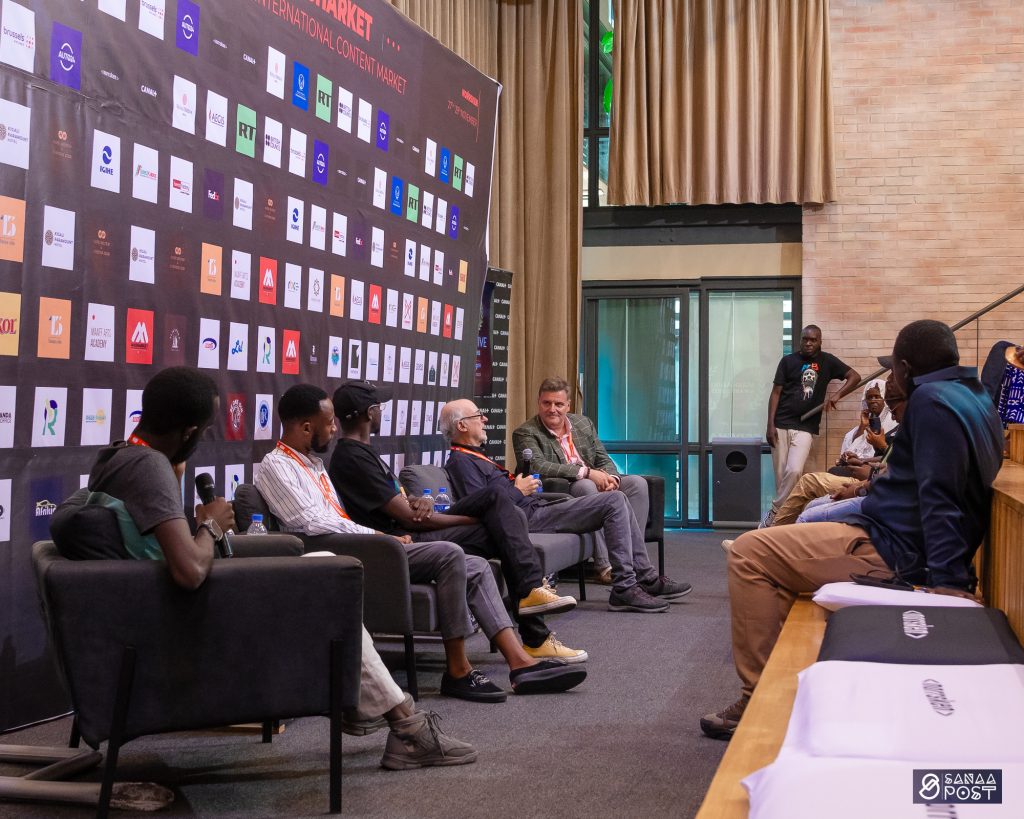
The workshop program, which kicked off on November 23rd, brought practical expertise to emerging filmmakers. National Geographic cinematographer Barry Braverman led sessions alongside King Muriuki from Kenya’s Buni Media. Ona Stories from Tanzania partnered with the UK’s AfrikaEye Film Festival to introduce VR and immersive storytelling techniques to young creatives, with support from the British Council Rwanda.
The festival didn’t shy away from addressing AI’s growing presence in creative production, offering hands-on animation training that explored how technology can serve African liberation. For the third year running, the Kigali International Film and Content Market (Masharket) took place from November 27-29 at Norrsken. These sessions focused on regional collaborations, marketing strategies, and policy discussions—the unglamorous but essential work of building sustainable film industries.
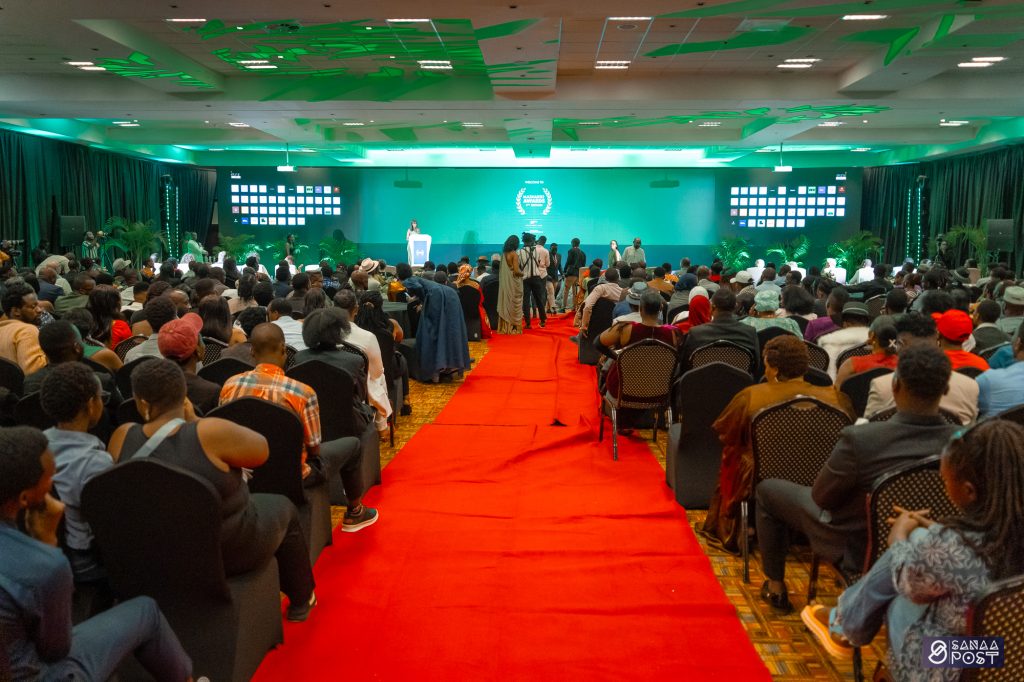
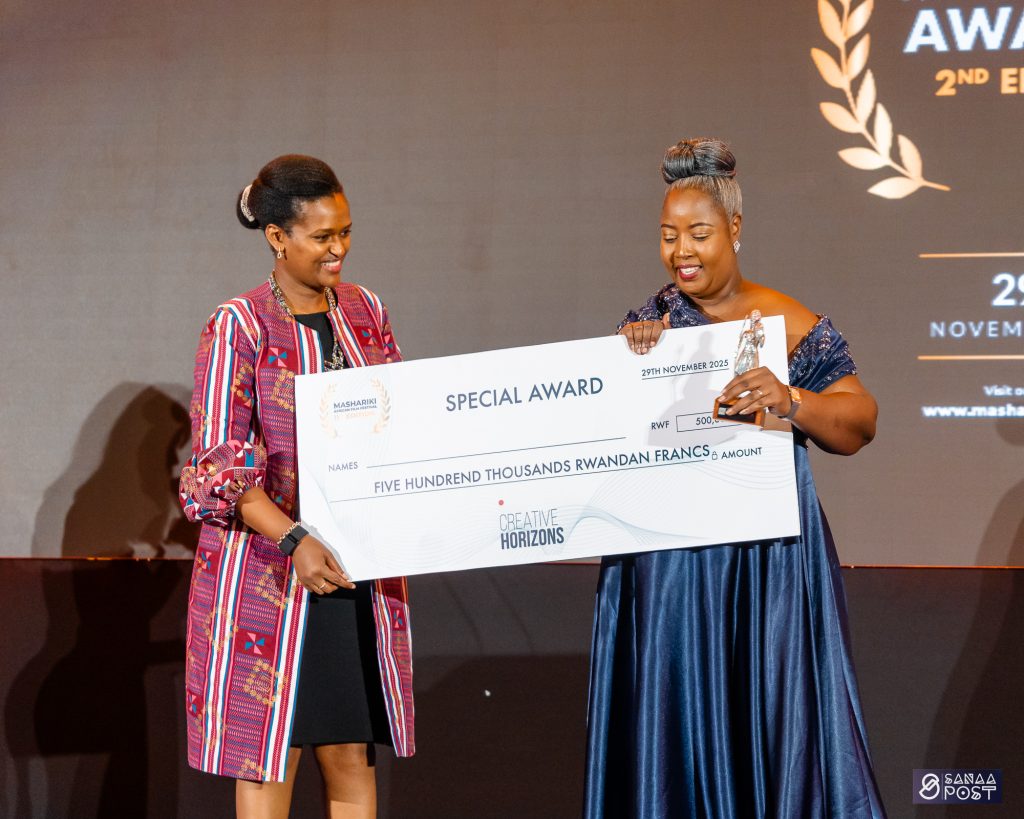
The awards ceremony at Serena Hotel celebrated this year’s standout works:
Best Feature Film went to MY FATHER’S SHADOW by Akinola Davies Jr (Nigeria/UK/Ireland), with the jury praising its portrayal of fatherhood against the backdrop of a military coup. Special mentions went to Uganda’s KIMOTE by Hassan Mageye and Rwanda’s MINIMAL IN A TITANIC WORLD by Filbert Sharangabo.
Best Documentary was awarded to MEMORIES OF LOVE RETURNED by Ntare Guma Mbaho Mwine (Uganda-U.S.), which explores how studio photography connects Ugandans across generations to their cultural heritage. The jury gave special recognition to Women’s Village by Victorien Vialar for its portrait of female leadership in Burkina Faso.
Best Short Film went to RISE by Jessica J. Rowlands (Zimbabwe), following a charismatic young boy named Tobias Mupfuti who lives on a dump site and dreams of becoming a boxer. Amazeze by Jody Sanks received a special mention for its examination of xenophobic violence in a South African township.
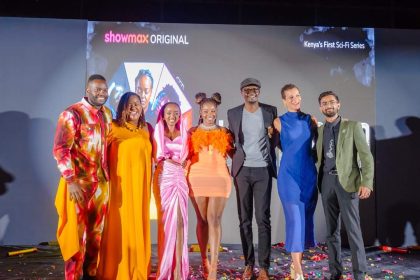
Best TV Series was claimed by Kenya’s SUBTERRANEA, directed by Likarion Wainaina—the country’s first sci-fi series. The judges recognized its production values and emotional storytelling. Special mentions went to Ties That Bind Us by Balwase Edward and La Coach by Ohouot Assi Gilbert.
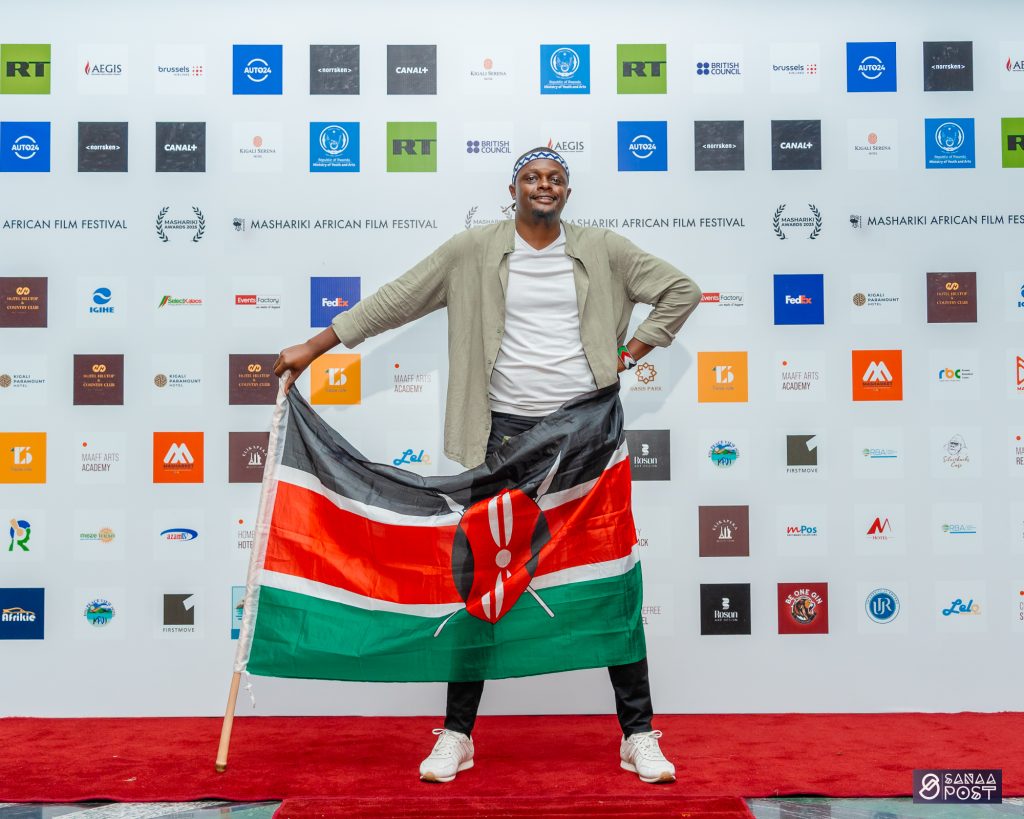
The pitching competition saw two Kenyan filmmakers and two Rwandan storytellers selected by the judges, though the festival is still building anticipation around those projects.
Mashariki continues to prove that African film festivals aren’t just celebration spaces—they’re infrastructure. They create the networks, skills, and visibility that filmmakers need to build sustainable careers. As the continent’s creative industries grow, events like this become increasingly vital for connecting talent with opportunities and audiences with stories that reflect their realities.