


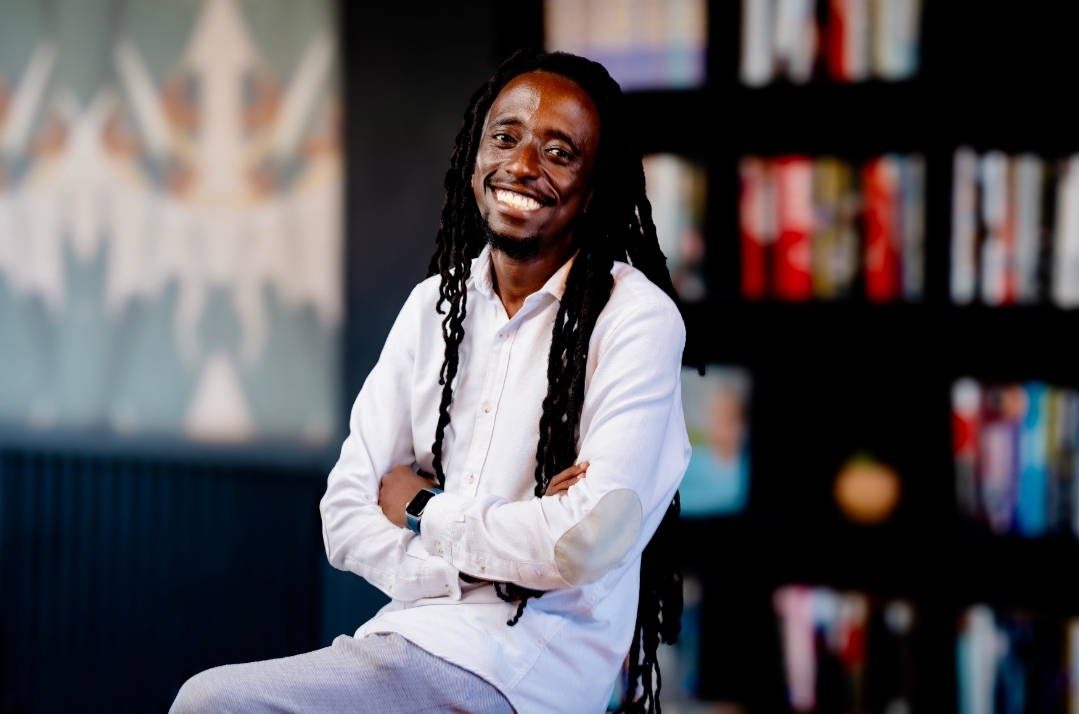

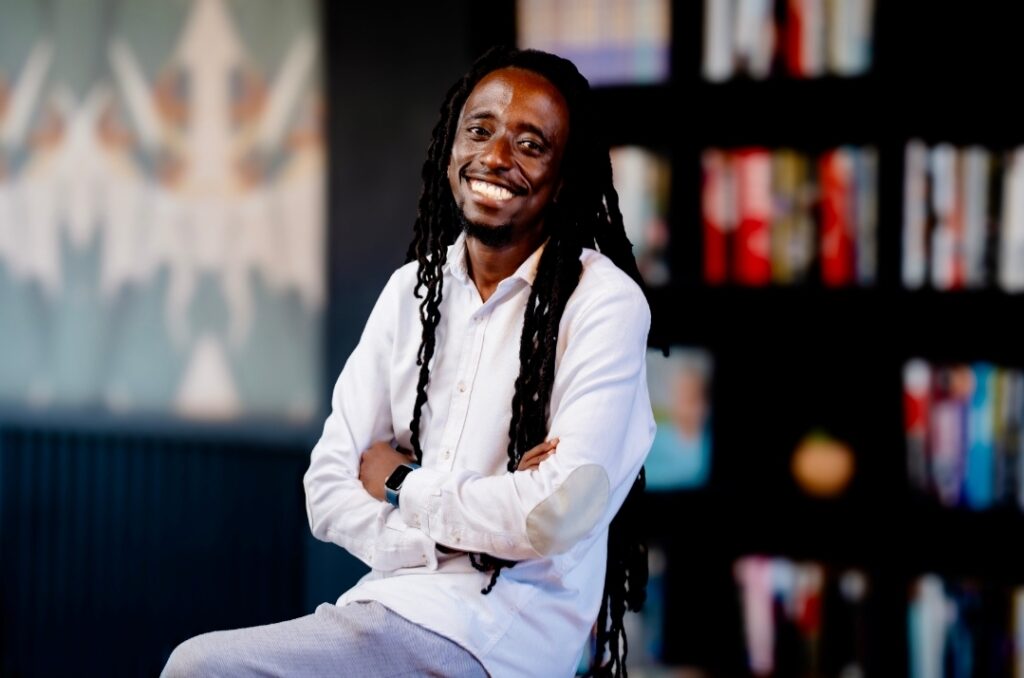
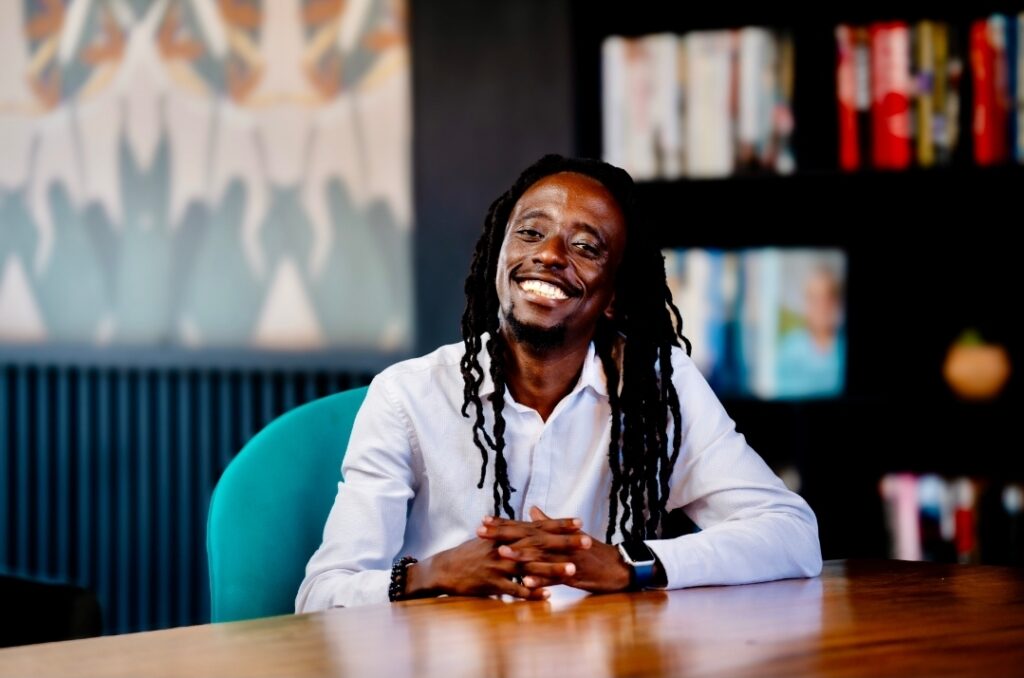
After a three-year break from the director’s chair, Kenyan filmmaker Njue Kevin returns to helm his most personal project to date: Blue Uniform. The film marks a significant career milestone, building on his legacy as a renowned producer & director of celebrated television works such as MTV Shuga Mashariki, Jiji, Crime and Justice, Second Family & Big Girl Small World.
This film marks a significant return to his roots on social issue dramas, reminiscent of his groundbreaking debut 18 Hours. A cultural landmark, 18 Hours was not only an AMVCA-winning film but also served as a catalyst for legislative change, proving instrumental in the implementation of the Emergency Health Act bill in Kenya.
Blue Uniform centers on a determined mother, Wavua (Nice Githinji – Rafiki, Subira), whose search for her missing son, Bilal (Mike Mudachi – John Johnny Jonte), leads her into the claustrophobic confines of a local police station. As the night stretches on, her desperate inquiry transforms into a tense confrontation with a system designed to delay, deny, and erase. Other leading cast members include Brian Bugi who plays Abbas, Brian “Baneki” Kimani (Index One) who plays Chiwa and Keith Chuaga (Jiji, Untying Kantai) who plays the film’s complex and troubled antagonist Shuria.
Blue Uniform utilizes a sophisticated non-linear narrative structure. This technique allows the film to reject traditional spectacle in favor of “small fractures”, the avoided eye contact and contradictory testimonies that define the human cost of silence. By deconstructing the chronology of a single night, the film transforms abstract debates about policing into a visceral lived experience.
Blue Uniform is not a retelling of a single case, but a translation of emotional truth into cinematic experience.
Visually restrained and claustrophobic, the film forces the audience to sit inside the discomfort of unanswered questions and the normalization of profiling. It asks a fundamental question: what does it mean to stand inches away from authority and still be denied humanity?” Says the director.
Inspired by real events that have shaped public memory in Kenya from the early days of COVID curfew enforcement to the recent finance bill protests, the film serves as a cultural reflection.
Film can do what institutions often avoid: it can make abstraction human,” says Marylyn Wanjiku, the film’s producer.
It is designed to function as a mirror, one that does not provide easy resolution, but insists on recognition.”
The film begins principal photography in September 2026 and will be released in 2027 by the production Muddy Castle Studios.
To book exclusive events with a TICKETING PARTNER visit tickets.sanaapost.com 😎👊🏿