



If I were to retire today, I’d rest a very happy and fulfilled man.”
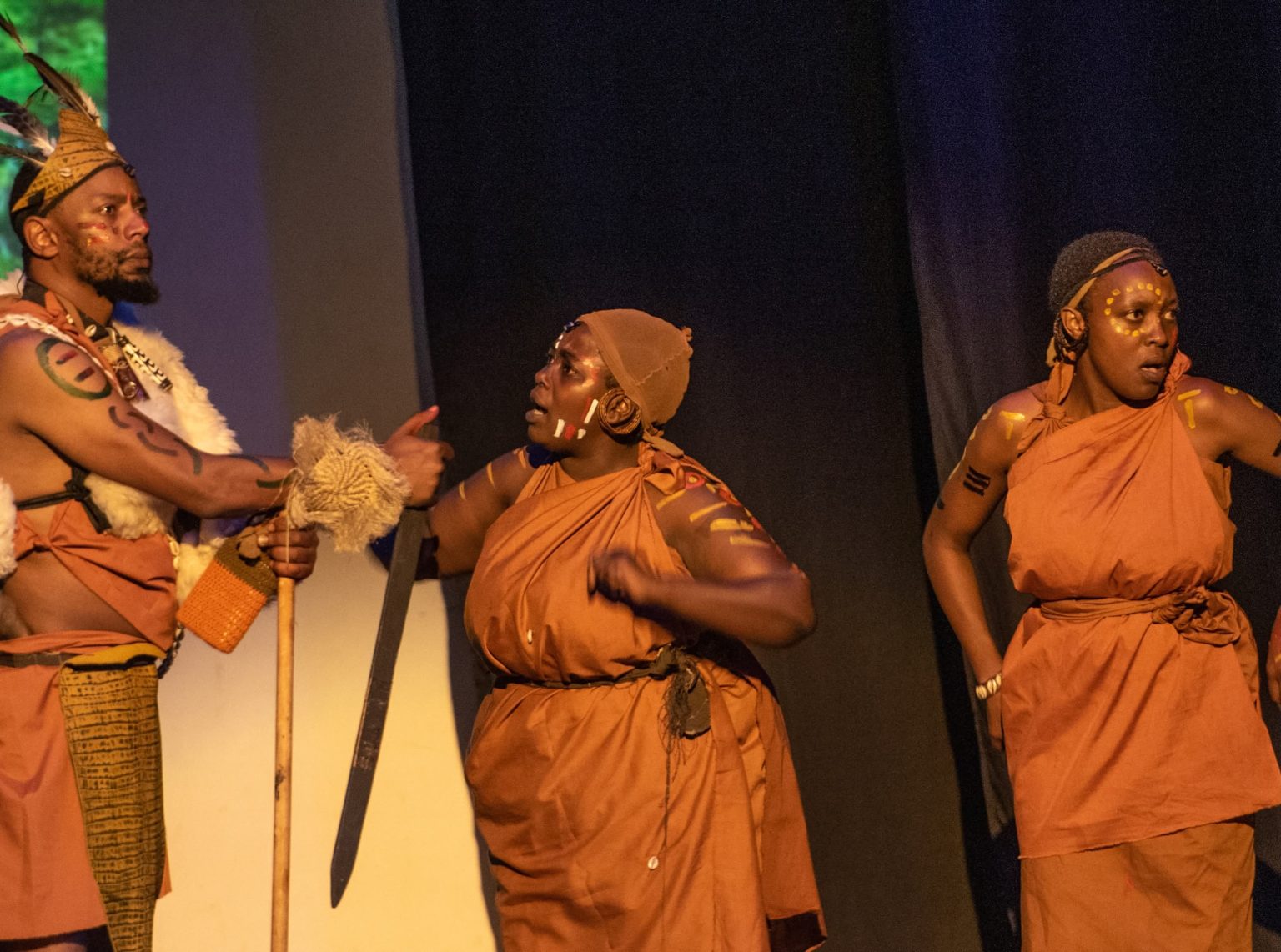
These were the words of Mũrage Lawrence when I asked him how he felt after staging a sold-out three-day run of Waiyaki wa Hinga, The Play. They were the words of a storyteller satisfied by the weight of the story he had just carried to the stage. Watching the play, it became clear why.
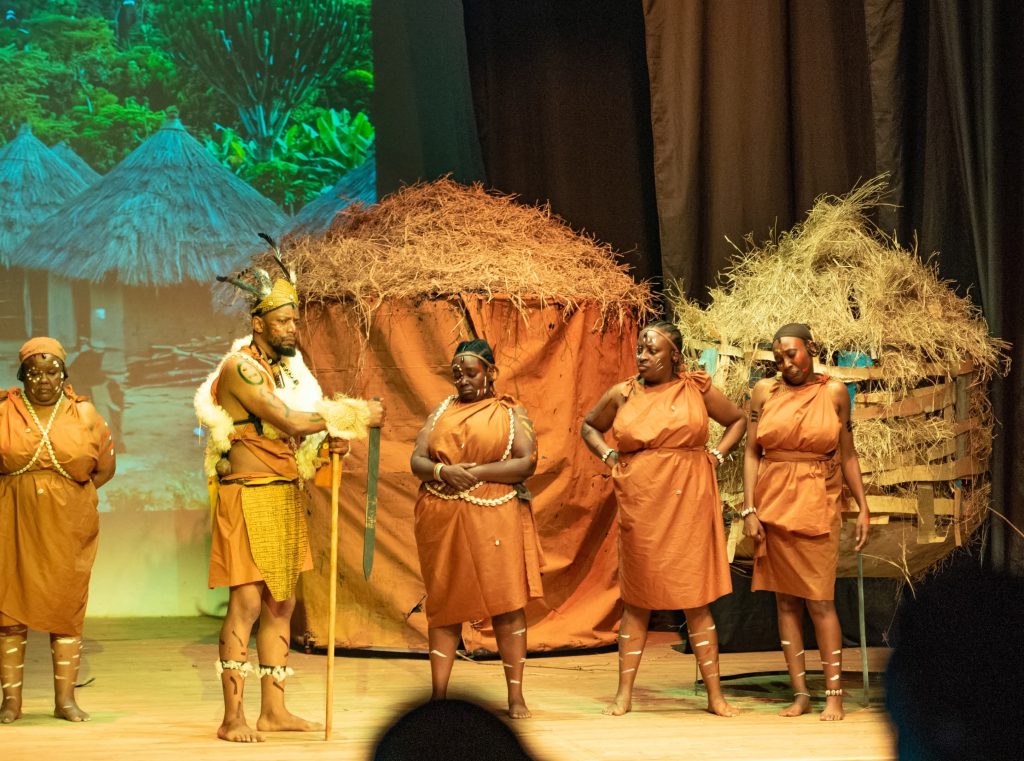
Waiyaki wa Hinga, The Play by Ndunyu Njeru Creatives did not feel like the kind of history many of us were forced to memorise in classrooms. The production peeled back that veil and gave Waiyaki flesh, fear, courage, and humanity. It reminded the audience that before history became paragraphs in textbooks, it was first lived by real people who bled, resisted, and sacrificed.
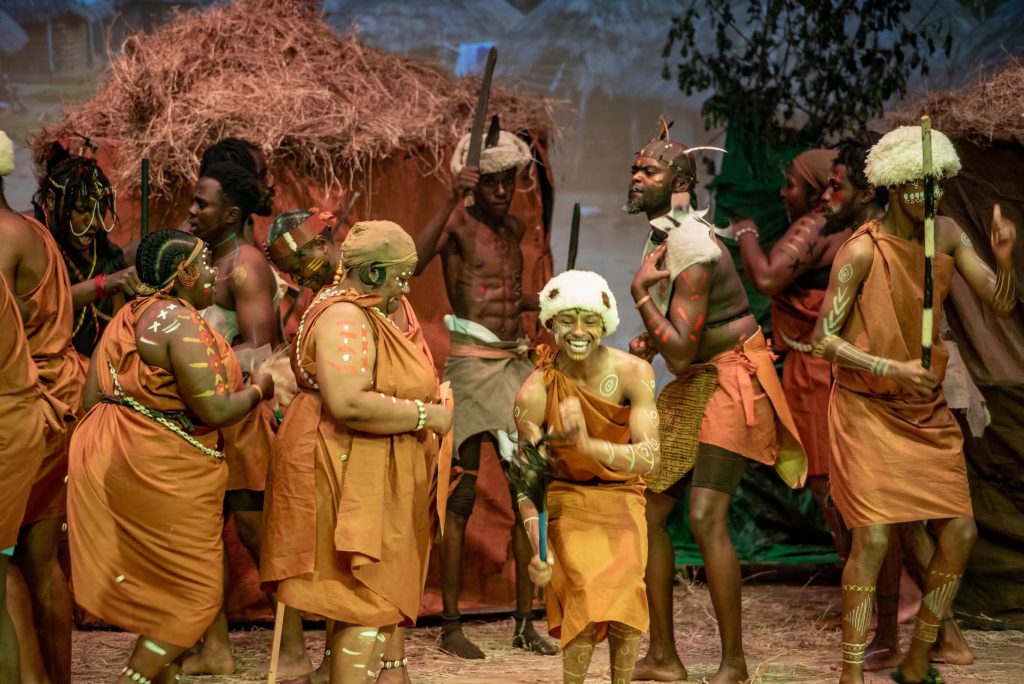
From the moment the voice of Folk Fusion echoed through the theatre, the atmosphere changed. The stage became alive with chants, movement, and tension that pulled the audience directly into the world of the African community before the coloniser landed here. One thing I particularly appreciated was how the production fused the Ndunyu Njeru Podcast into the play.
The narrators, Thuita Mwangi and Charles Gachanja aka “The Waiyaks”, made the play home to everyone in the theatre. The “tunaskia kidogo but hatuwezi ongea” gang was well catered for.
Their performance brought the story to life, merging history with current banter. They brought the themes to life. Resistance, leadership, identity, and betrayal were felt not only through their words but also through their demeanor.
It took a good minute before the audience met Koiyaki aka Waiyaki Wa Hinga. When he finally got to the stage, Ken Wa Kuraya, the actor portraying Waiyaki, commanded it with a quiet but powerful presence. His performance balanced leadership and vulnerability in a way that made the character feel deeply human. Some of the strongest moments came not from shouting or dramatic movement, but from silent pauses that allowed the weight of betrayal, fear, and responsibility to settle both on the character and the audience. At several points, the theatre fell completely silent, the kind of silence that only happens when people are fully immersed.
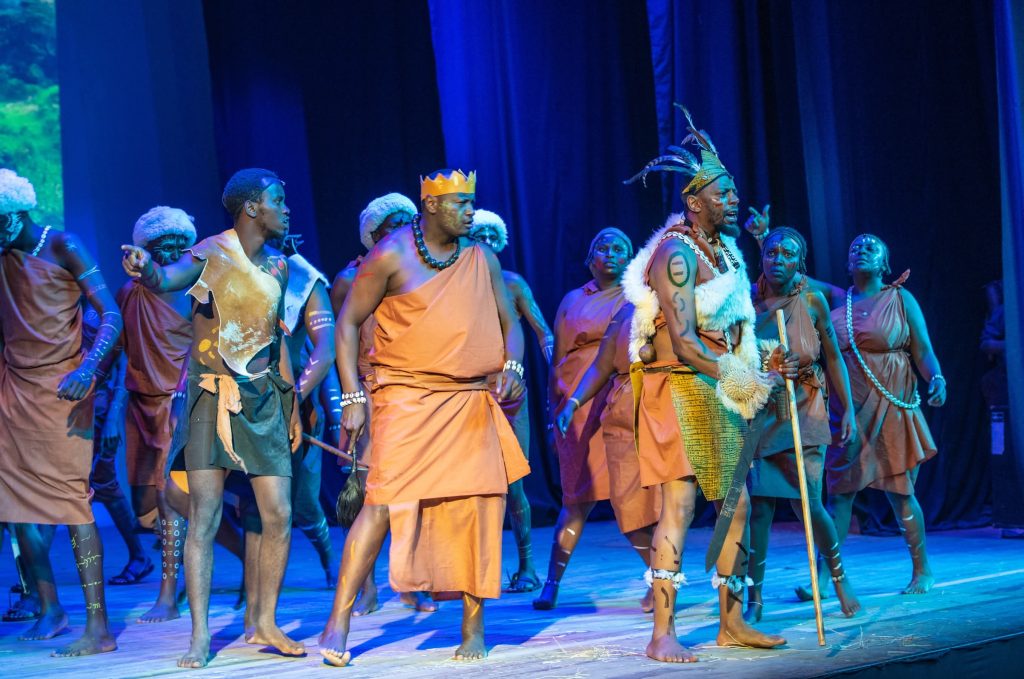
“Ndi Muthamaki, Na tiri uyu ni witu…..” (I am a King and this is our soil) was the most unforgettable chant from the King himself. Of course, like any live production, the play had moments that could have been tighter.
A few scenes dragged slightly longer than necessary. Some dialogue was occasionally lost because of the audio and technical issues.
One aspect of the production that slightly took away from the immersion was the costume design and stage setup. While the performances carried the emotional weight of the story effectively, the costumes felt too generic and lacked the distinctiveness needed to fully ground the audience in the historical period. At certain moments, it became difficult to separate specific social roles and status through wardrobe alone.
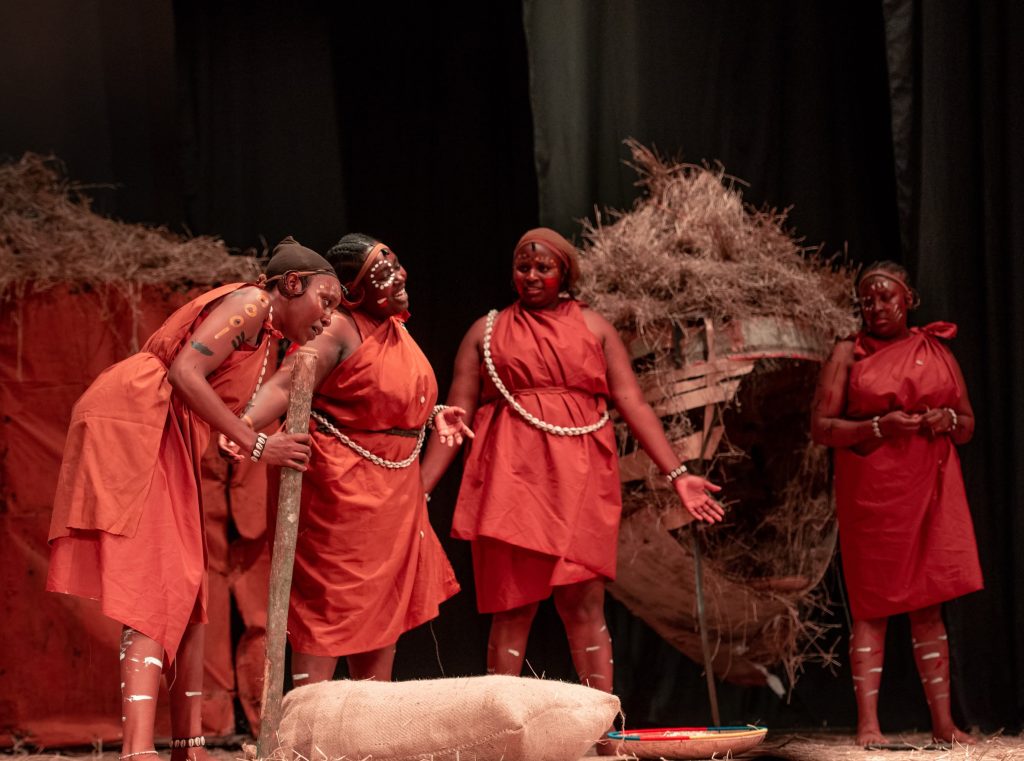
The stage design, though functional, also felt somewhat limited for a story of such historical and emotional scale. A more detailed and dynamic set could have elevated the world of the play and strengthened the visual storytelling.
However, where the production truly excelled was in its casting and music. Every actor felt naturally suited to their role, including the low-budget colonisers, Andrew and Matere.
The comic relief from Pablo Kimani and Nyce Wanjeri will probably live with the audience. The chemistry among the cast made the relationships and conflicts believable. The music from Folk Fusion, Flow flani, and Gathoni Dival gave the story authenticity and emotional depth that carried the production even through its weaker technical moments.
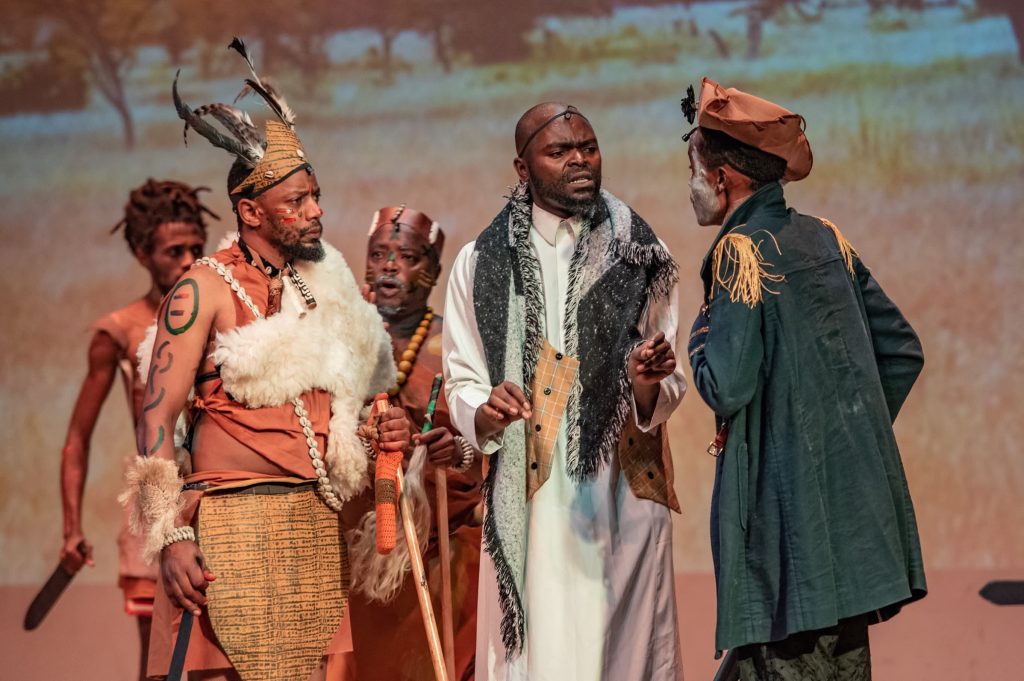
By the end of the performance, the cheering and ululations felt earned. Waiyaki wa Hinga was not only a great historical play but also an act of remembrance. It reminded me that theatre is at its most powerful when it restores forgotten voices back into the room.
To book exclusive events with a TICKETING PARTNER visit tickets.sanaapost.com 😎👊🏿