



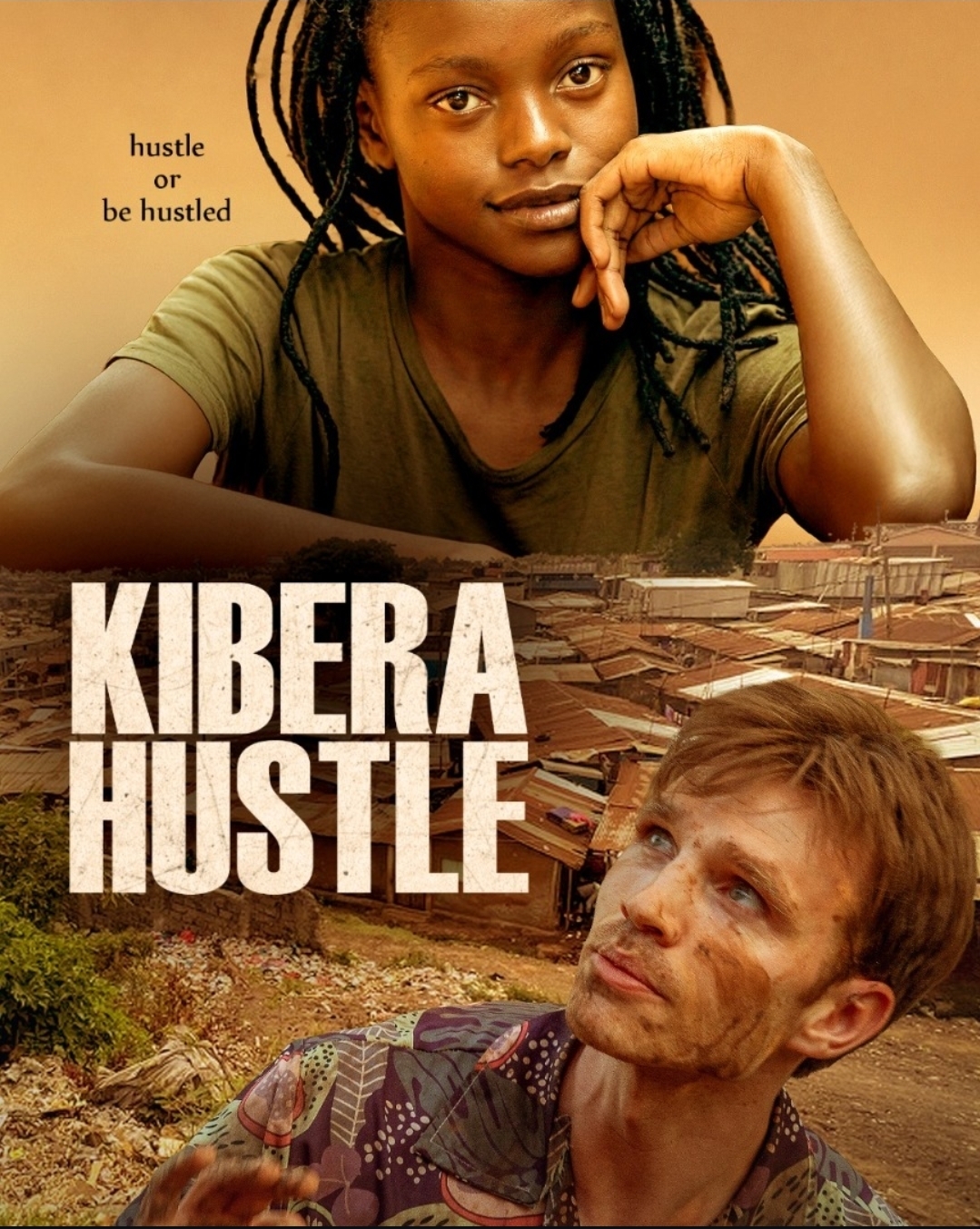

I don’t think I have ever seen Kibera portrayed quite this gracefully. Not sanitized. Not romanticized. Not reduced to poverty porn. Just… lived in.
I went to the premiere of Kibera Hustle expecting a poverty story set in Kibera. What I got was Kibera as a place that actually feels like people live there. There is poverty, yes. There is crime and danger, but there is also humor, ambition, love and most importantly, hustle.
And for once, I found myself asking, White savior where?
The irony is that the film actually gives us a British outsider in Steve, who comes into Kibera looking for his kidnapped half-brother. On paper, that sounds like the beginning of a very familiar story. But Kibera Hustle takes a different route. Steve is not some heroic foreigner who arrives with the answers. He is lost, vulnerable and constantly being played.
Enter Mshai.
Mshai was easily my favorite character in the film. Played by Marima Wanjiru, she is exactly the kind of character I love seeing on screen. She is a survivor. She is street-smart with an agenda of her own and is not waiting for anybody to save her.
In fact, she is busy figuring out how to save herself and get her son back while simultaneously helping a helpless mzungu man navigate a world he clearly does not understand.
That dynamic is brilliant.
And then there is Steve.
I really enjoyed watching his growth throughout the film. He starts off as someone who seems completely unequipped for what he has walked into. Watching him slowly become more responsible and more aware of the world around him was one of the more satisfying character arcs.
The story itself is probably what impressed me most. There are people double-crossing people who are already planning to double-cross them. The film knows exactly what kind of game it is playing.
Kibera Hustle is a hustle within a hustle within another hustle. And somehow, despite all of that, the story remains surprisingly easy to follow.
But I did have a few issues.
First: the sound. I liked the songs in the film, but the overall soundscape felt almost too clean.
Kibera is noise. It is movement. People. Conversations. Music. Matatus. Vendors. Children. Metal. Life happening simultaneously. There were moments when I found myself thinking, Why does Kibera sound like Runda?
I wanted the environment to breathe a little more. I wanted some of that beautiful chaos to make its way into the soundtrack. The images were giving me Kibera, but sometimes the sound was giving me a much quieter Nairobi.
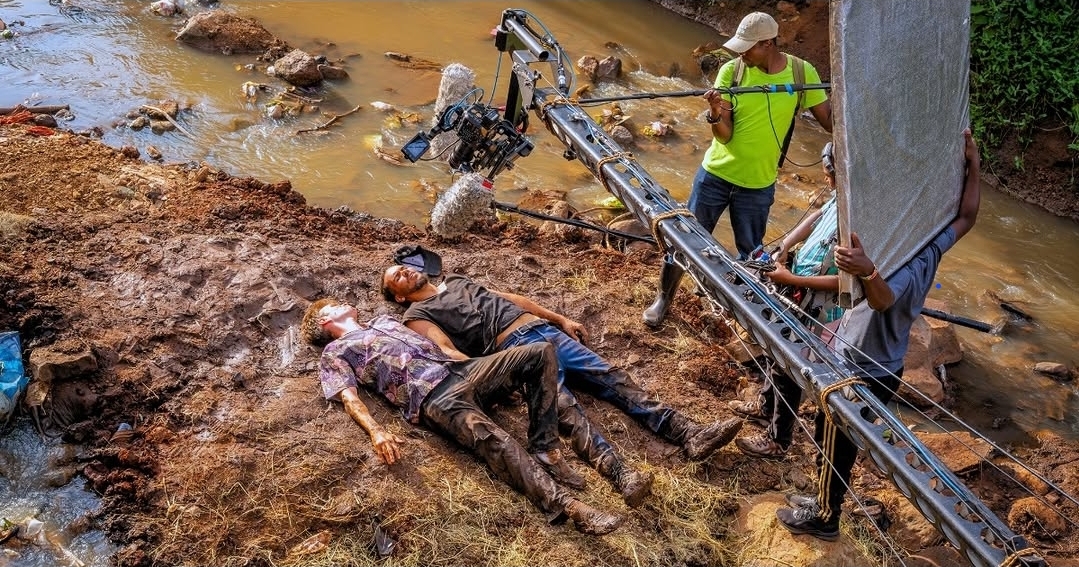
There were also a few moments that took me out of the story because they felt slightly unrealistic. The fight between Steve and Jack, for example, had one moment where the audience could practically see the setup coming. The soil was planted so visibly that I found myself thinking, Ah. Red soil? Nairobi? Jaba!!
And once you notice something like that, the magic is slightly interrupted.But honestly, these moments did not take away from what I thought was a meticulously written and directed story. If anything, they are the kinds of things that become more noticeable precisely because the rest of the film had me invested.
I also wanted more from some of the supporting characters. The backstories of characters like Timo and Abu felt a little shallow to me. Abu especially left me with questions.
How did Abu lose his leg?
And perhaps more importantly…
WHERE IS THE DAMN KEY? I am still thinking about that key.
KIBERA HUSTLE is playing NOW at Anga Cinemas, grab your tickets here
To book exclusive events with a TICKETING PARTNER visit tickets.sanaapost.com 😎👊🏿