




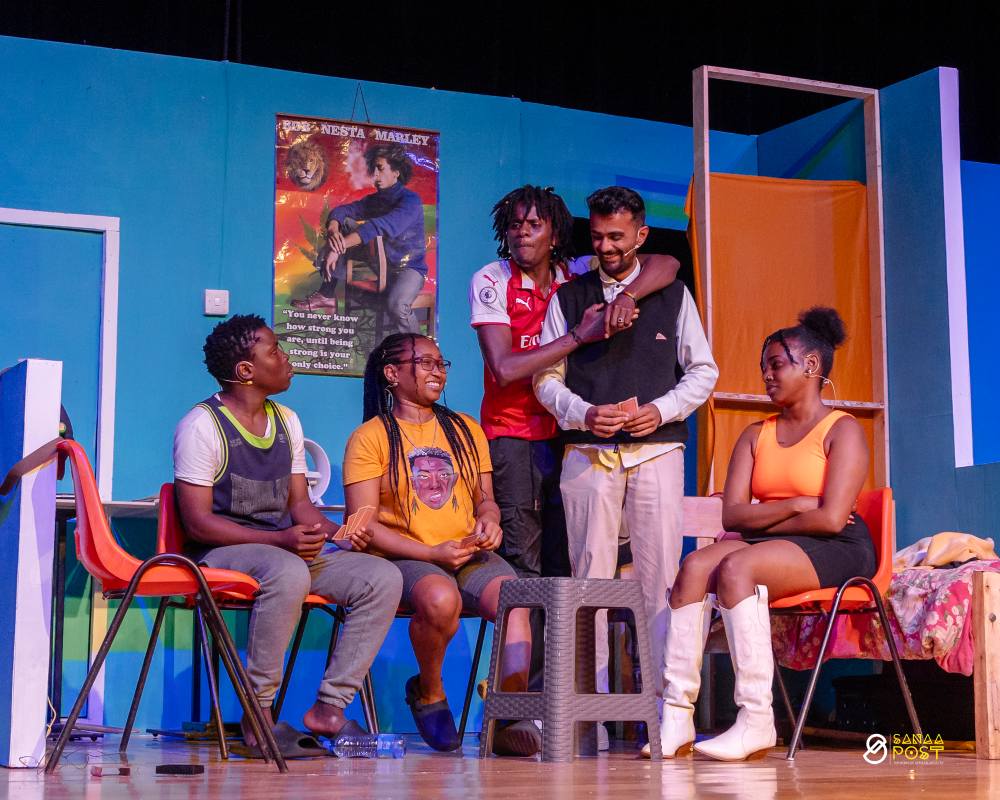
Picture this: 5 students, one room, inanyesha nje, and there’s absolutely nowhere to run. It sounds like a classic horror movie setup, but Safaricom Baze’s Locked In is actually a psychological thriller that holds an uncomfortable mirror to our faces. Every day in Nairobi, from the matatu to the office, tunaangalia msee and within two seconds, tushampatia identity. We box people based on their surname, their skin color, or their postcode. Tunapenda stereotypes because they make life easier to digest. Lakini, as Locked In violently reminds us, vitu kwa ground are usually very different.
When the doors lock and the tension boils over, the curated masks drop. Let’s dissect the five strangers in the room and the comfortable lies society has assigned to them.
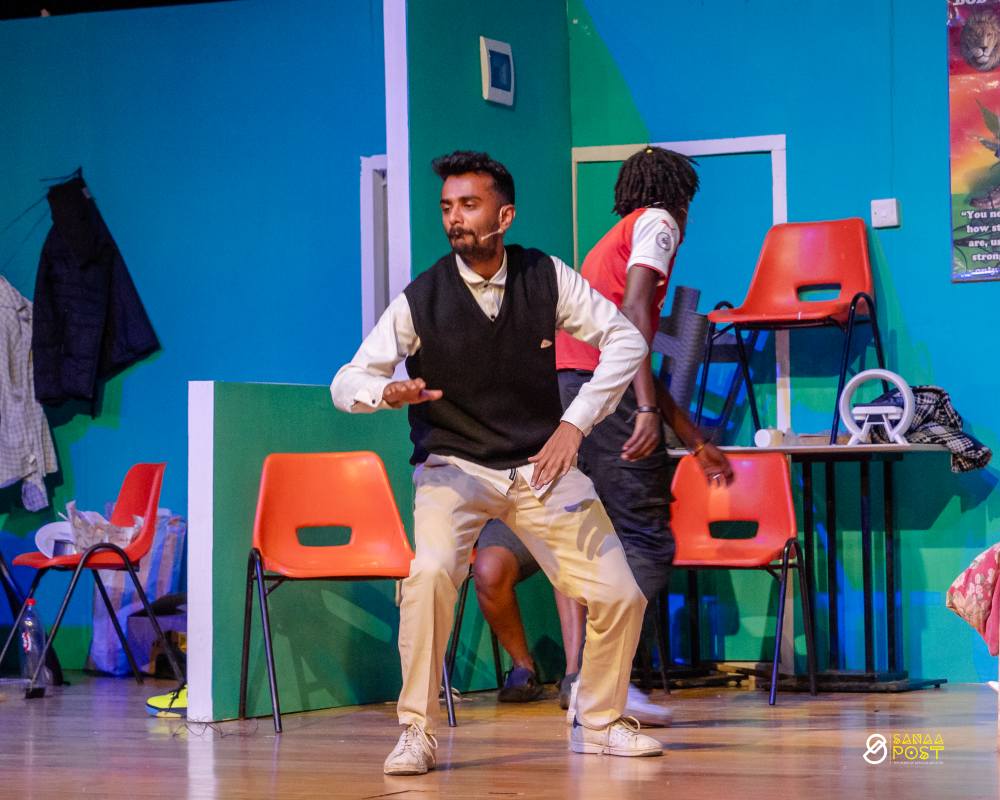
The Indian: “Huyu ni Mdosi”
Ukiona msee wa Asian descent, the immediate Kenyan assumption is “huyu buddha ako na doo.” We assume he comes with automatic wealth, privilege, and powerful connections. The reality? This guy was born and raised in Kayole. He is constantly suffocating under the pressure of society treating him like a trust-fund kid when he is grinding just like the rest of us. How many times do we assume someone is sorted financially just because of how they look or where they work, completely blind to the fact that wanastruggle kuliko sisi?
The Politician’s Daughter: The “Soft Life”
Illusion On paper, she is the ultimate “Karen babe.” Her father is in government, so everyone assumes she has the world at her feet and a bottomless M-Pesa balance. The painful truth? She is technically homeless. Having a massive mansion in the leafy suburbs doesn’t mean you have a home. She sleeps anywhere else—in hostels, with friends—because her actual house is a warzone where she can never find peace. We envy people for their titles and Instagram aesthetics, completely ignoring the toxic environments wanatoroka kila siku.
The Activist: “Huyu Anakula Pesa ya NGO“
Whenever someone speaks up in Kenya, the cynical mwananchi response is usually, “Hao ni wale wa NGO, kuna mtu anawafund.” People assume she is a sponsored puppet. The unvarnished reality? She runs a kitchen from her hostel just to survive. She screams for the voiceless because when she was a defenseless child, the adults in the room completely failed to protect her. She had to become the protector she needed back then. Tunapenda ku-dismiss people fighting for change as clout chasers, ignoring the deep, unhealed trauma fueling their fire.
The Kayole Guy: The “Jaba” Joker
Society looks at him and sees a ghetto youth wasting his life. People assume he is just smart but lazy, smoking weed, and throwing his potential away. But beneath the relentless humor is a guy drowning in grief. He lost his younger brother to protest violence, and he comes from a severely dysfunctional, alcoholic home. We all know that one guy in the squad who is the life of the party, always cracking jokes and bringing the joy, but internally, they are using humor as a shield against unimaginable pain. You can’t heal when you’re busy trying to survive.

The Fifth Loner: “Mwenda Wazimu”
He is the quiet guy in the corner. Society quickly labels him unstable and weird. But his dark secret? He carries the heavy trauma of killing his own abusive father just to protect his family from violence. He was shaped by survival. It forces us to ask a difficult question: who are the real monsters? The ones who finally snap, or the society that leaves them with no other choice?
The Boiling Point
The real plot twist? Hawa wasee si strangers. They are a trauma-bonded “study group” who meet up to distract themselves from their miserable realities. When they are locked in that room, stereotypes become ammunition. Locked In ruthlessly strips away the curated facades we wear. Inakuuliza swali moja: are you judging the book by the cover, or are you ready to read the messy, painful chapters inside?
The truth is out. Stream the most intense psychological thriller of the year exclusively on Safaricom Baze.

Dial *430*7# or visit baze.co.ke to watch it now.