

I don’t know what I was expecting when I walked into that cinema. It definitely wasn’t a sad story. And it definitely wasn’t a story of liberation.
The title Call Me Queen screams drama. Maybe even a little glamour. Political courage, HIV and AIDS, access to life-saving medication… none of that was what I expected.
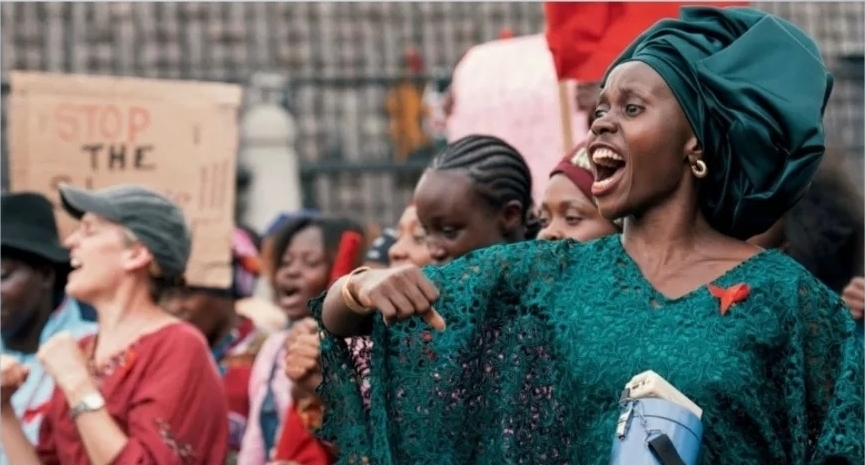
And then she said, “You can call me Queen.” It all made sense. Her name isn’t even Queen. She named herself. She woke up one day and decided she was a queen. And that is probably what stayed with me most.
Call Me Queen tells a story around HIV and AIDS activism, access to medication and the people who fought for something many of us now take for granted. It is emotional but ultimately a story about people refusing to accept the circumstances handed to them.
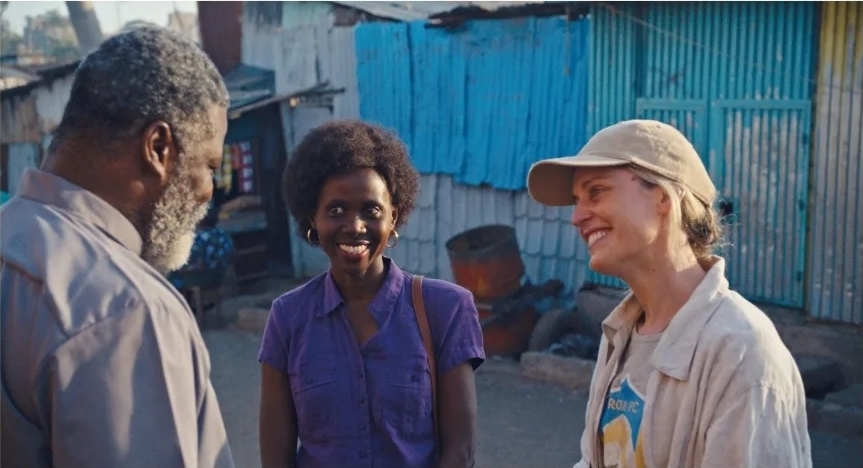
Visually, I really enjoyed the film. The set design and production design stood out to me, It painted a picture of what 1999 was, not that I existed or anything, lol. The casting also worked for me. There were performances that made the story feel human, particularly when Queen was struggling with her health.
But this is where my filmmaker brain started getting restless. The biggest weakness for me was the storytelling.
There were moments when I wanted the film to show me, rather than tell me. A lot of information, history and context is delivered through dialogue or data when some of it could have been allowed to unfold organically through the characters and their experiences.
And then there was the elephant in the room for me, the white savior narrative.
I struggle with watching a Kenyan story about a deeply African experience being filtered, in significant ways, through a white man’s perspective. Not because white people cannot participate in African stories, but because it raises a bigger question. Why are we still so comfortable telling our stories through someone else’s lens? Especially when the story is about African lives, African struggles and African people fighting for something that directly affects them.
That tension stayed with me long after the credits. And perhaps that’s also why I think Call Me Queen is worth watching. Not because it is flawless. It isn’t. But because it gives us something to discuss.
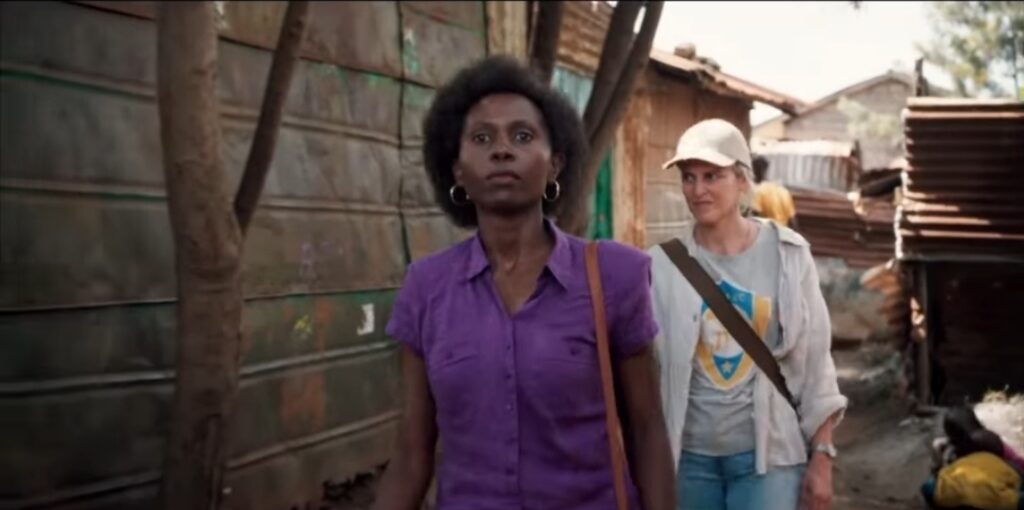
It made me think about HIV and AIDS beyond the statistics. It made me think about access to medication, about activism, about who gets remembered, and ultimately, about who gets to tell our stories.
And yes… Rwanda Gold. Shhh…..I’m not telling you what happens. Go watch it. Then let’s have the conversation.
To book exclusive events with a TICKETING PARTNER visit tickets.sanaapost.com 😎👊🏿