


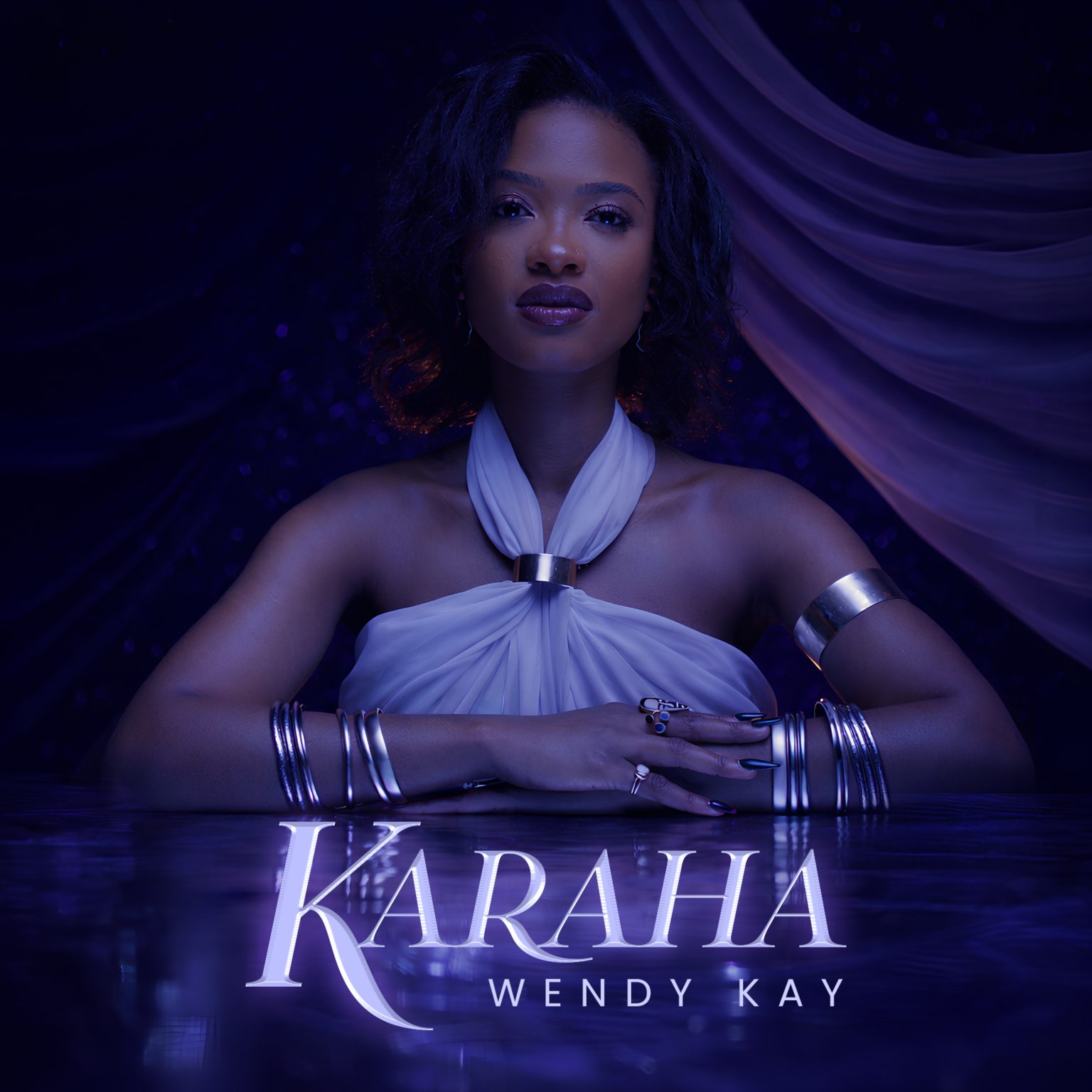

There are emotions that Kiswahili holds perfectly For example, Furaha is joy. Huzuni is sorrow, Upendo is love. These are feelings our language was built to carry, words that sit comfortably on the tongue, that grandmothers use and children understand.
But then there are the other ones. The feelings that live in the spaces between words. That specific exhaustion after you have given someone everything and watched them treat it carelessly. The grief that is not quite grief because the person is still alive, just gone in every way that matters. The longing that mixes with anger until you cannot tell them apart anymore. English does not have a clean word for these either. But Kiswahili gets closer than most, with one word that quietly carries all of it.
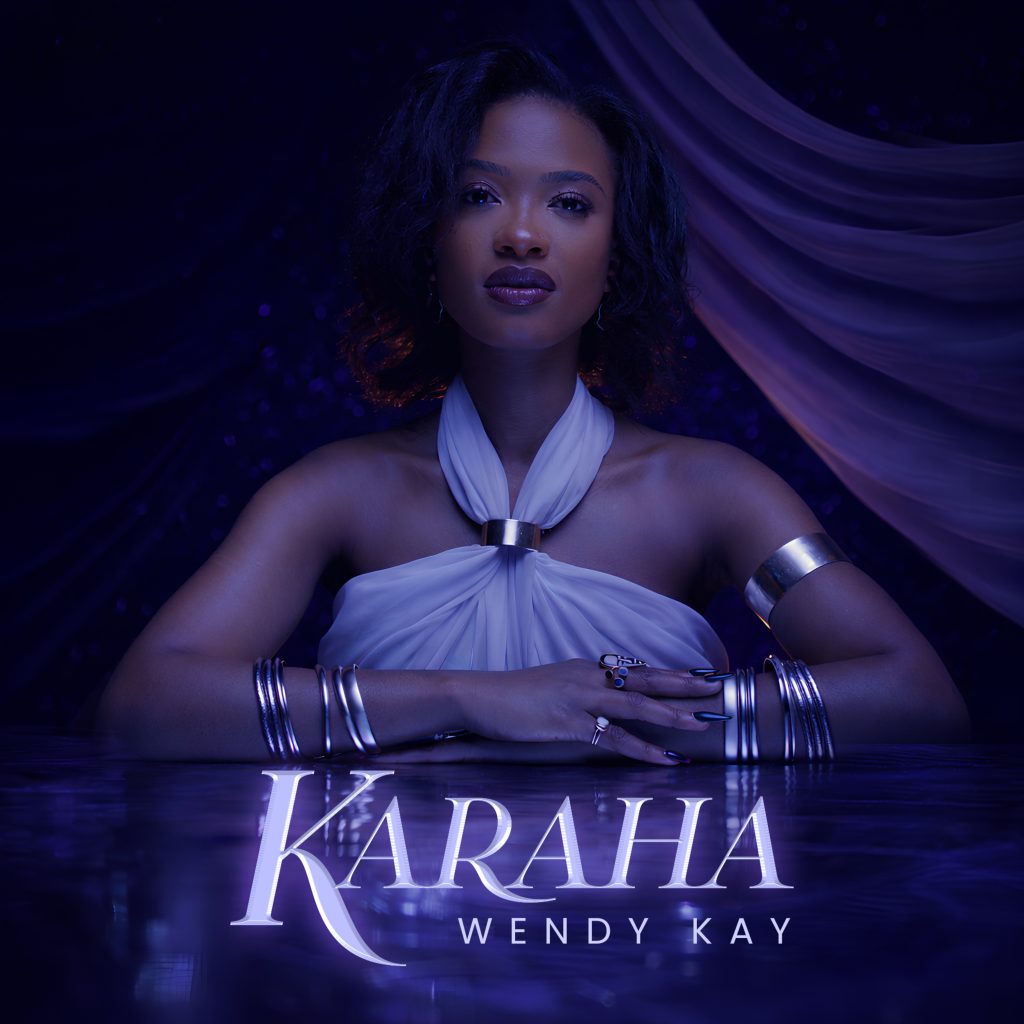
Karaha, the word, sits somewhere between grief and fury, between acceptance and denial, between the person you were before and whoever you are becoming now.
Nairobi’s own Wendy Kay has built an entire EP around that feeling, and in doing so, she has given a name to something many of us have been carrying wordlessly for years.
If you have been paying attention to the Kenyan music scene, Wendy Kay is no stranger. You may have caught her on the grass at Blankets & Wine, her voice cutting clean through the afternoon air. You may have heard her floating through the Netflix film Sincerely Daisy, or followed her collabs with Octopizzo, Sanaipei Tande, and South African DJ-artist Beebar. You may even know she has taken Kenyan sound all the way to stages in Kazakhstan and Russia. But features and festival slots only tell half a story. Karaha, her five-track EP released March 27, 2026, is the full chapter.
Wendy Kay is a graduate of Sauti Academy and Santuri East Africa’s SEMA production school, powered by Ableton and the Goethe-Institut, which means she knows where every layer sits, why every texture was chosen, what each rhythm is supposed to make you feel and when. The sound on Karaha is not an accident of talent, it is the result of someone who has spent years studying the worlds her music comes from, then learning how to build new ones from the same materials.
And those worlds run deep. Wendy Kay draws from the rumba that drifted up the East African coast from Congo and never really left, the kind you still hear crackling from a radio in a kinyozi on a slow Tuesday. She draws from benga, that distinctly Kenyan guitar sound born in the lakeside energy of Western Kenya, rhythmic and circular, and impossible to sit still through. She reaches into coastal Mwanzele traditions, into the bossa nova that somehow always felt at home beside African sound, into the orchestral cinematic sweep of composers like Hans Zimmer, because she believes African music deserves that kind of scale, that kind of grandeur.
Her heroes sit at the intersection of all of this. She grew up listening to Mpongo Love, the Congolese rumba queen whose voice could hold a room in absolute silence. She looked to Sanaipei Tande for grace and depth, Swahili storytelling delivered with total conviction, and saw what a Kenyan woman’s voice could carry.
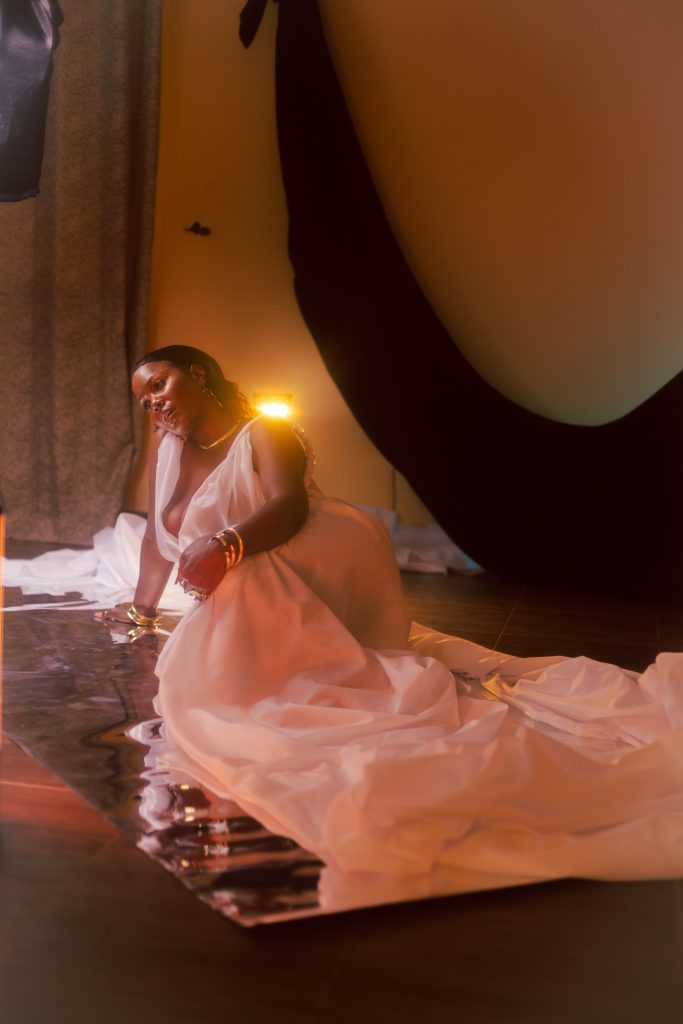
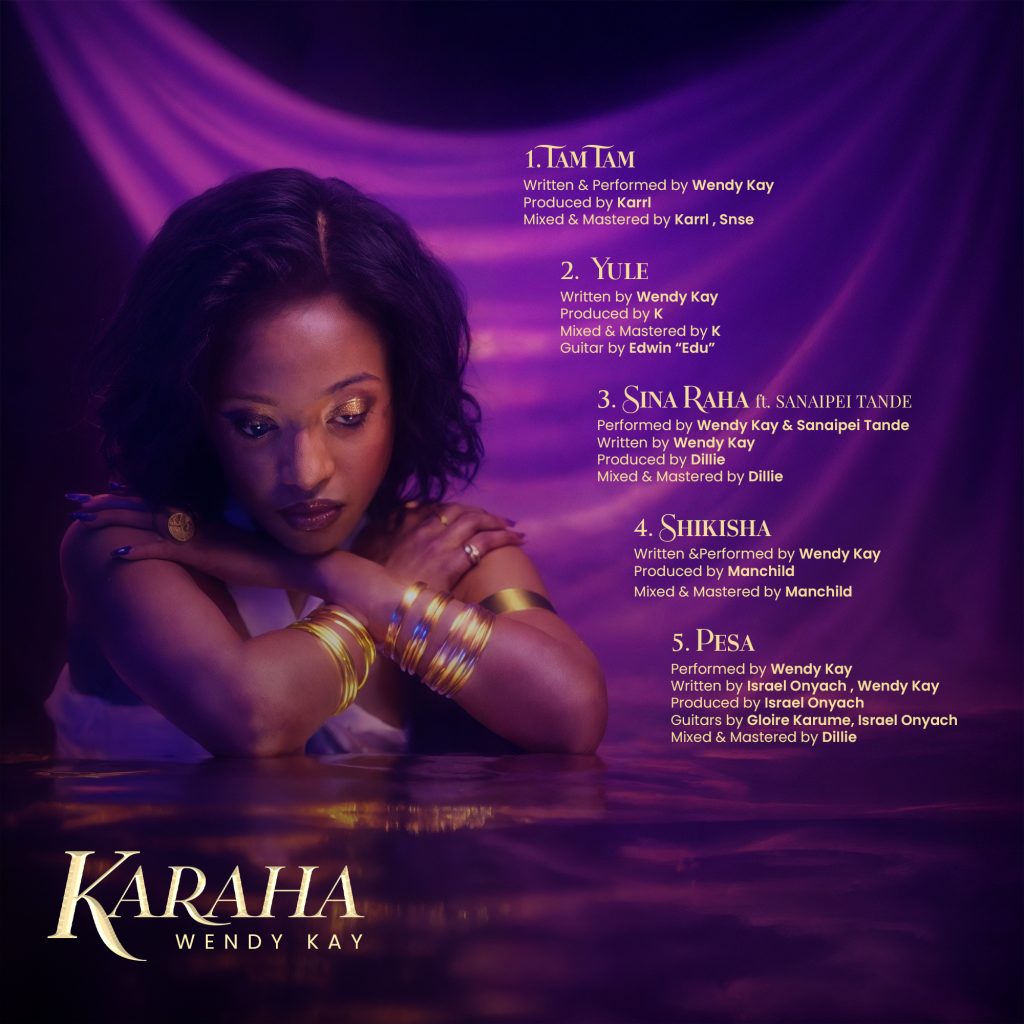
She studied Tiwa Savage and Aaliyah, artists who understood that vulnerability is not weakness but the entire point. Karaha opens with Tam Tam, and it arrives gently with coastal Mwanzele rhythms wrapped around modern R&B in a way that feels less like a song beginning and more like a memory surfacing. The hypnotic percussion pulls you in before you have decided whether you want to go. By the time you realise what it is doing to you, you are already inside it. This is the thing about being in love in Nairobi, nobody warns you. One day, you are fine, the next, you are rearranging your whole life around someone’s schedule, and Tam Tam understands that completely.
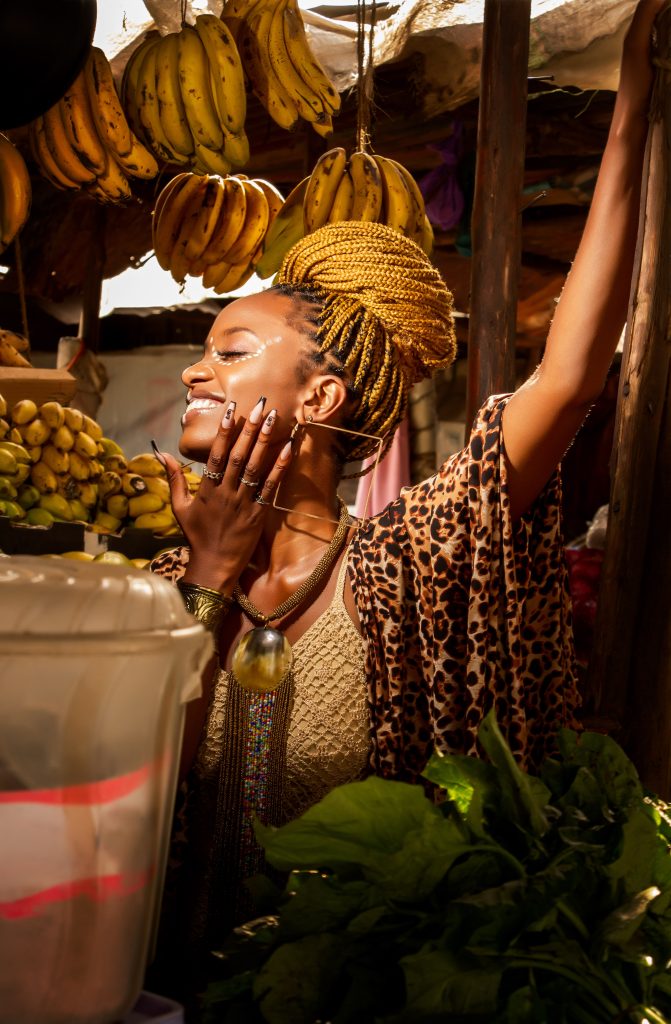
Then Yule arrives, and if you have ever watched something end not with a fight but with a long, quiet fade, you know the script: no dramatic confrontation, no final text, just a slow disappearance. This piano-driven ballad was written specifically for you. It will find you in traffic on Thika Road on a Friday evening, boxed in between matatus, nowhere to go and too much time to think. It will find you at 2 a.m. when the city has gone quiet and you are still awake with questions that have no good answers. Damn Nairobi!
The EP’s centrepiece, Sina Raha, featuring Sanaipei Tande herself, is something else entirely. Two generations of Kenyan womanhood standing inside the same truth, “Sina raha ndani ya roho”, translating to I have no joy in my spirit, held up by bossa nova textures, expressive guitar, orchestral layers, and traditional African percussion. It sounds like a Sunday morning after a Saturday night that broke something. It sounds like the conversation you have with yourself on the Metro home when you finally admit that something is over. It is haunting in the way only the most honest things are.
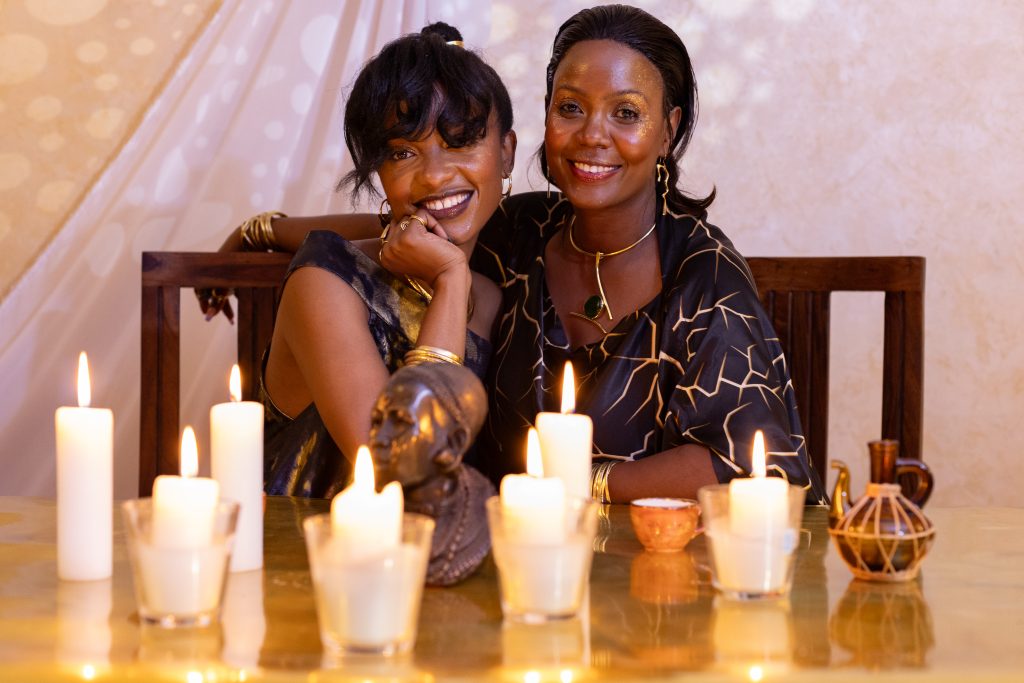
Shikisha turns inward in a way that Nairobi music rarely allows itself to. Questions of faith, of purpose, of the emotional contradictions that young Africans carry daily but rarely sing about out loud, the pressure to be fine, to be progressing, to have answers. And then Pesa closes the EP with a rhythmic Swahili rumba that will have you laughing before you register that it is also making a very sharp point. If money were a man, what kind of lover would he be? Every person in this city who has ever had to choose between rent and a dream, or watched a relationship slowly bend under financial pressure, will feel that question somewhere very specific.
What makes Karaha remarkable is not just the emotional honesty, it is that this sound could only have been made here. By someone who grew up with these rhythms before she ever heard a Top 40 chart, who learned to produce her own music rather than wait for someone else to shape her vision, who chose to go deeper into Swahili and East African texture rather than softer and more exportable.
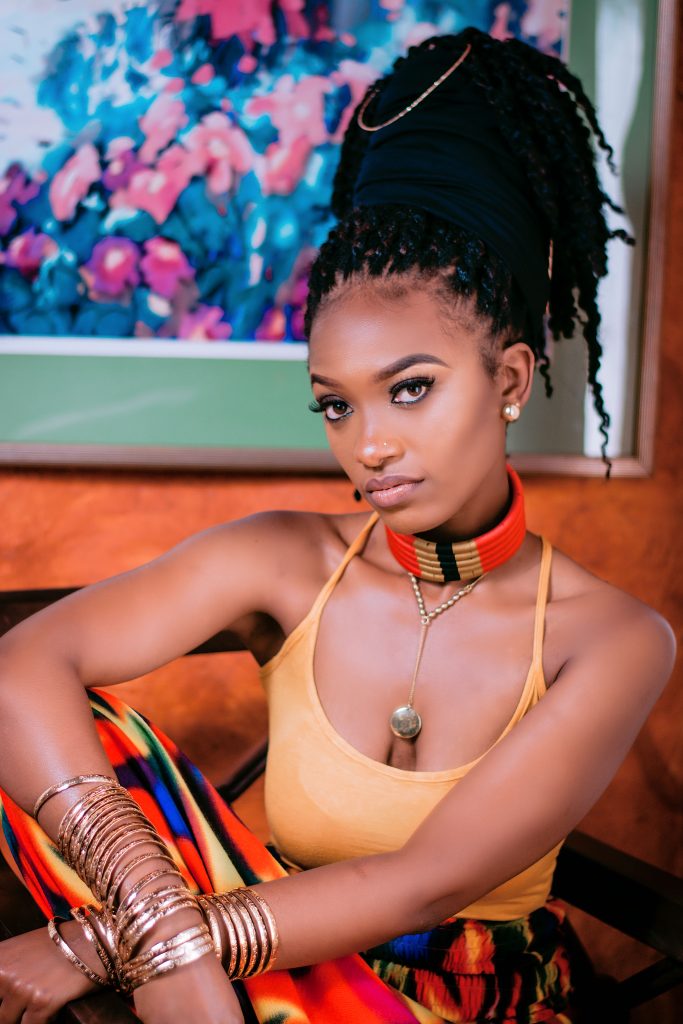
There is a version of this story where a girl from Nairobi with a voice like Wendy Kay’s is told to chase sounds that travel easier, to worry less about Mwanzele rhythms and benga guitars and Swahili lyricism. She went the other direction entirely. And in doing so, she has made something that belongs completely to us, which is exactly why it will travel.
The girl with the golden voice is just getting started.
Stream ‘Karaha‘ by Wendy Kay on Spotify, Apple Music, and YouTube. Follow her journey on Instagram and TikTok: @wendykayworld
To book exclusive events with a TICKETING PARTNER visit tickets.sanaapost.com