





The Kilifi Creek Festival felt like a homecoming. Have you ever watched a film on a dhow? (Okay, that might be a stretch.) Perhaps you’ve seen one under the stars, with the ocean roaring in the background? (Still no?) Well, attendees of the inaugural Kilifi Creek Festival were treated to this magical experience while enjoying extraordinary cinema. Staying true to their tagline, “water is movement, memory, and magic,” the organizers went all out to ensure that both attendees and filmmakers felt at home.
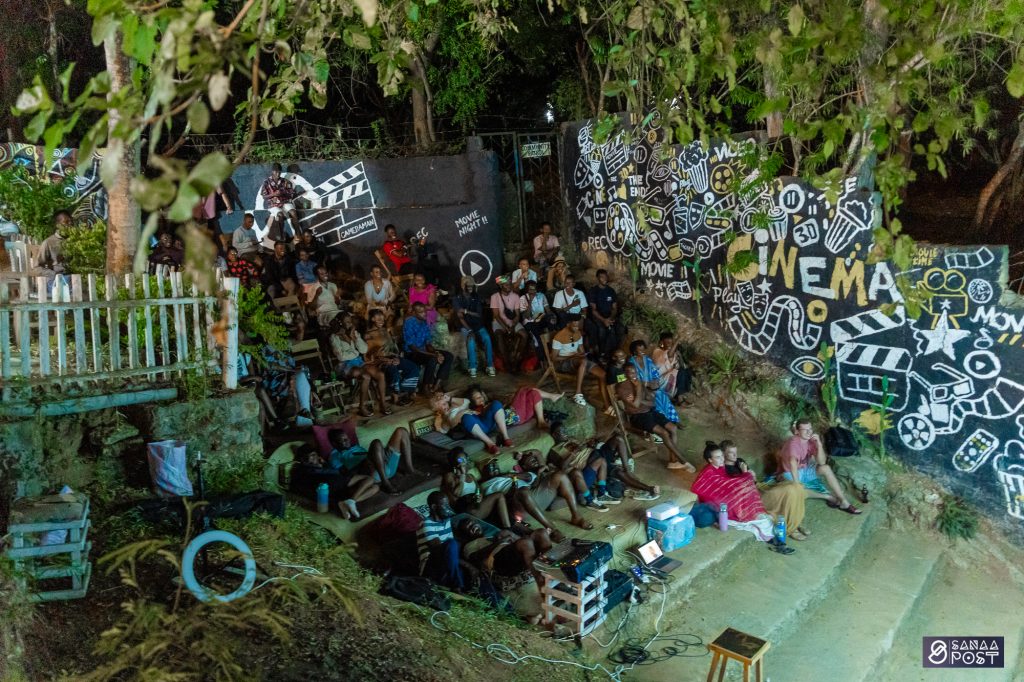
There is something truly magical about watching films in such a unique setting—on cushions and mats, under the stars, with the ocean serving as your soundscape. After the screening of “Memories of Love Returned,” filmmaker Ivy Kiru (from “Float”) described the experience as healing. She expressed that she felt “showered with love,” and I completely agree. This intentionality in creating a space that honors both the art of filmmaking and the audience is what sets the Kilifi Creek Festival apart.
The selection of films was extraordinary, and bringing these stories to the locals in Kilifi while witnessing their reactions was nothing short of beautiful. From children in Majajani to film enthusiasts at Terrace arts space (Kilifi Creek), the audience’s hunger for local cinema was palpable. Some of the filmmakers present included Ntare Guma Mbaho Mwine (Memories of Love Returned, Farewell Amor), Vincent Mbaya (Sketchy Africans), Lydia Matata and Ivy Kiru (Float), Omar Hamza and June Wairegi (Sayari and Sukari), and Irungu Mutu (Leaving Isiolo), just to name a few.

Watching filmmakers engage with their audience after screenings was profoundly moving. This is where the real shift occurs—films transform from simple one-way projections into dynamic conversations. When audiences have the opportunity to ask questions, challenge perspectives, and hear directly from the creators about their intentions, inspirations, and struggles, the film becomes a shared experience rather than a passive consumption.
These interactions are essential as they help to clarify the filmmaking process, inspire aspiring creators in the audience, and provide filmmakers with valuable insights into how their work resonates with viewers. The questions from the Kilifi audience demonstrated not only curiosity but also a strong desire for spaces that center and celebrate local stories. The co-founders deeply understood this need—Zippy Kimundu, Mumo Liku, and Saitabao Kaiyare—leading to the creation of the Kilifi Creek Festival.

The Terrace Arts Space in Kilifi began as a venue for artists and the arts, and it has since evolved into a festival dedicated to various forms of art, including film. This seven-day festival concluded on October 18th with a gala night, featuring music and fashion showcases presented by the residents of the Terrace Arts Space.
The winners of the inaugural Kilifi Creek Festival were:’
- BEST SHORT FILM:
Special Mention – Leaving Isiolo
WINNER: FLOAT
- BEST ANIMATION
Special mention – Uli & Tata
WINNER: ENKAI
- BEST FEATURE (FICTION)
Special mention – Sketchy Afrikans
WINNER: SAYARI
- BEST FEATURE (NON-FICTION)
Special mention: Memories of Love Returned
WINNER: KHARTOUM
- THE KCF VISIONARY SPOTLIGHT AWARD
“For Individuals Connecting Global and East African Television and Cinema”
WINNER: NTARE GUMA MBAHO MWINE
- THE KCF SPOTLIGHT FILMMAKER AWARD
“For the filmmaker whose passion and effort lit up the festival with the most films on screen.”
WINNER: KARANJA NG’ENDO
- SPECIAL KCF APPRECIATION AWARDS
FOR LONG-TERM INDUSTRY CONNECTIONS AND RECONNECTIONS – Fibby Kioria
FESTIVAL DIRECTOR – Kevin Mwachiro
FESTIVAL MANAGER – Wakarima Wangui
- THE YORA CATALYST SPOTLIGHT AWARD
“For Individuals Inspiring Social Impact Through Film”
WINNER: RHODA NAFULA WEKESA (WIDOW CHAMPION)
Hearing the co-founders discuss their vision for decentralizing Kenya’s film industry and transforming Kilifi into a film destination—similar to Cannes for France, Sundance for independent cinema, or Toronto for international film—reveals great potential. The positive reception of this inaugural festival suggests a promising future. The groundwork has been established, the audience is eager, and the filmmakers feel at home.